


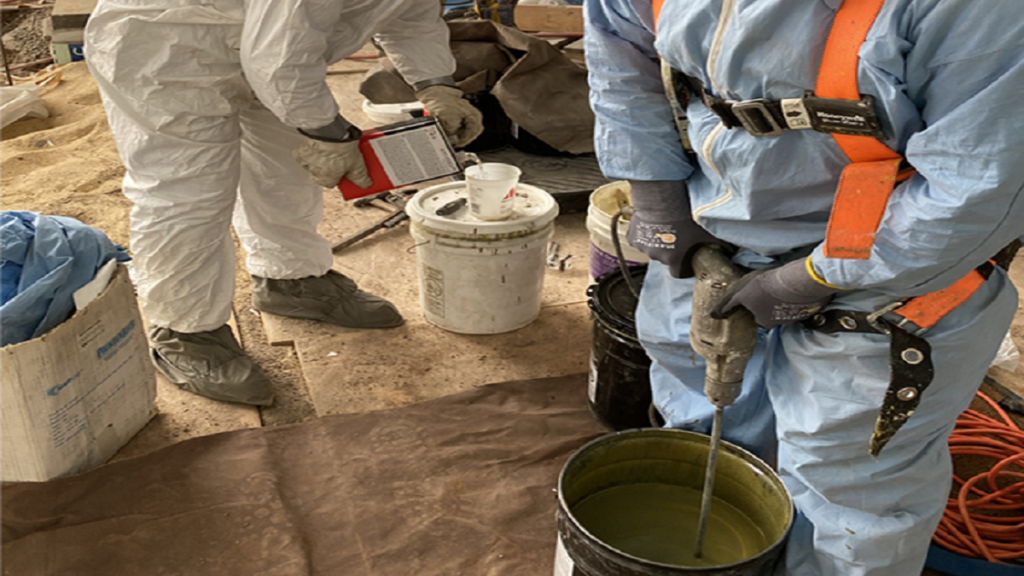
Industrial plants do not just need a new coat of paint. Therefore, professional painting services in NJ are critical for preventing wear, corrosion, moisture, and exposure to adverse environmental conditions in industrial buildings, equipment, and structural assets. Industrial painting is a long-term investment in safety, durability, and operational efficiency for warehouses, manufacturing plants, processing plants, and storage tanks.
Many facility managers assume painting is primarily cosmetic. In reality, industrial painting and coating systems serve as protective layers that not only extend asset life but also lower maintenance costs, helping facilities meet safety and environmental standards.
The Importance of Industrial Painting for Commercial and Industrial Properties
Industrial surfaces experience continuous exposure to chemicals, humidity, temperature fluctuations, abrasion, and significant wear. Unprotected surfaces deteriorate rapidly, resulting in rust and corrosion, structural failure, and expensive repairs.
Professional painting contractors in NJ are experienced in the application of industrial-grade products that can solve these problems. High-performance coatings not only protect metal, concrete, and steel, but they also enhance visibility, cleanability, and safety in the workplace.
The properly applied coating also prevents contamination of sensitive environments, such as manufacturing premises, water treatment facilities, and storage areas.
Benefits of Professional Industrial Painting Services in NJ
1. Asset Protection and Longevity
Industrial coating prevents corrosion, rust, and moisture, chemical exposures, and mechanical damage on the surfaces. Epoxy, polyurethane, and metallic finishes such as zinc and aluminum form durable layers that greatly extend the lifespan of buildings, machinery, and tanks.
2. Reduced Maintenance and Replacement Costs
Regular re-painting and re-coating will prevent the structure from disintegrating. This proactive system reduces downtime and prevents premature replacement of equipment or facilities.
3. Improved Safety and Compliance
Industrial painters contribute to safety by improving surface visibility, identifying risky areas, and preventing risks of falls. The coatings also facilitate compliance with OSHA, EPA, and industry regulations.
4. Improved Operational Effectiveness
Coated and clean surfaces are more convenient to maintain and inspect. Industrial finishes prevent dust, moisture, and corrosion from forming on the surface, which can interfere with your daily processes.
Industrial Surface Preparation: The Foundation of Quality Results
Effective painting begins with proper surface preparation. Professional painting contractors perform a comprehensive assessment of surfaces before coating application to identify rust, cracks, moisture damage, or coating failures.
Standard preparation methods include:
- Power washing and degreasing
- Abrasive blasting or grinding
- Rust removal and surface leveling
- Moisture testing and adhesion checks
Adequate preparation guarantees good adhesion of the coating on the surface, leading to prolonged performance.
Specialized Industrial Coating Applications
Protective Coatings for Industrial Structures
Protective coatings are used to protect the surfaces against environmental and chemical effects. Such finishes are typically applied to factories, warehouses, bridges, pipelines, and steel structures.
Storage Tank Painting and Coating
Moisture, temperature variations, and contact with chemicals make storage tanks highly prone to corrosion. Interior lining and exterior coating prevent pitting, leaks, contamination, and structural failure. Therefore, it is crucial to recoat the tanks every 5-10 years to ensure integrity.
Corrosion Control Solutions
Several types of corrosion are prevalent in industrial environments, including general corrosion, pitting, localized corrosion, and weld metal corrosion. High-performance coatings prevent corrosion and safeguard important infrastructure.
Safety-First Approach in Industrial Painting Projects
Safety measures are very rigid in industrial painting projects. Established Painting Contractors in NJ guarantee the safety of workers and protection of sites by following the industry rules and best practices.
Key safety measures include:
- Use of certified protective equipment
- Environmental and safety standards
- Controlled containment for hazardous materials
- Secure access systems for elevated or confined spaces
To ensure operational continuity and personnel safety, it is vital to maintain a clean, hazard-free job site.
Importance of Accurate Estimates and Timely Completion
Careful planning of industrial projects is needed to reduce downtimes. Reliable painting companies provide accurate initial, descriptive estimates with scope, materials, and schedule. Effective scheduling also ensures that projects are undertaken effectively without interfering with the working process or production.
Timely project implementation also minimizes exposure risks associated with degraded and old surfaces.
When Should Industrial Facilities Be Repainted?
Repainting or recoating should be considered by industrial facilities in the following cases:
- Coatings are cracking, peeling, or rusting.
- The surface is exposed to moisture or chemicals.
- Corrosion damage increases maintenance costs.
- Safety markings fade or become unclear.
Timely repainting can revive protection and enhance the performance of facilities.
Conclusion
Professional Painting Services NJ serves more than just aesthetic purposes for industrial facilities. Industrial-quality paints and coatings are also used to protect and preserve valuable assets, such as equipment and machinery, while improving workplace safety, reducing maintenance costs, and extending the lifespan of industrial buildings. Professional painting contractors in NJ have the expertise to ensure that the industrial buildings they paint are not only durable but also compliant with industry standards for years to come if maintained regularly!