


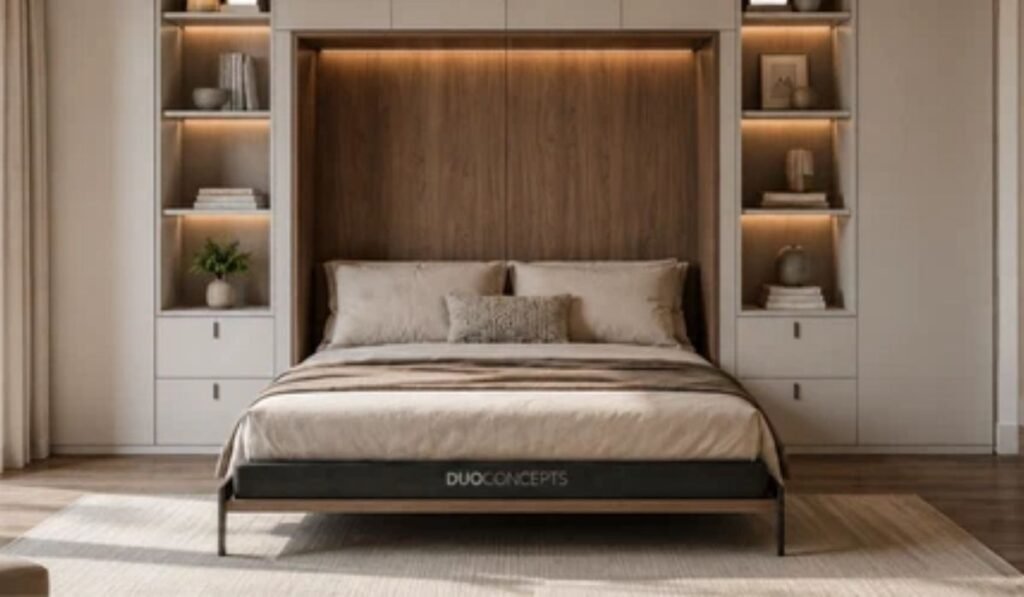
A home does not have to be large to feel comfortable, organized, and functional. What matters is how effectively the available space supports everyday life. In Vancouver, homeowners and condo residents are increasingly looking for furniture that can adapt to different activities instead of assigning one permanent purpose to every room.
This is where modular furniture Vancouver homeowners are exploring can offer a practical advantage. Rather than treating furniture as a collection of separate, fixed pieces, modular solutions allow different functions to work together within a coordinated space.

From storage and organization to flexible living areas, the right configuration can help a room respond to changing needs while maintaining a clean and intentional appearance.
The Shift Toward More Flexible Interiors
Modern households rarely use rooms for just one activity. A living area might become a workspace during the day, a place for relaxation in the evening, and an entertaining space on weekends.
A traditional furniture arrangement can make these transitions difficult. Large, fixed pieces may consume valuable floor space even when they are not being actively used.
Modular furniture approaches the problem differently. Components can be planned around the activities a room needs to support, allowing homeowners to create a more adaptable environment.
This is particularly relevant for urban properties where creating additional rooms is not always practical.
One Space, Multiple Possibilities
A flexible furniture arrangement can help a single room support several purposes without looking temporary or disorganized.
Depending on the design, the same area can accommodate:
- Everyday storage and organization
- Work-from-home requirements
- Seating and relaxation
- Display areas for books and décor
- Flexible spaces for guests and family activities
The objective is not to make a room perform every possible function. Instead, it is to make sure the furniture reflects the functions that genuinely matter to the household.
Why Modularity Matters in Condo Living
Condos often present a different set of furniture challenges from larger detached homes. Storage may be limited, rooms can have unusual proportions, and open-plan layouts require furniture to work visually as well as practically.
Adding more furniture is not always the answer.
In many cases, a carefully planned modular system can provide useful functionality without requiring several unrelated pieces. This can make the room easier to navigate and create a stronger connection between storage, living, and working areas.
For people researching modular furniture Vancouver solutions, this makes the planning process especially important. The goal should be to improve the way the entire room operates rather than simply adding another furniture item.
Build Around Your Storage Needs
Storage is often one of the first areas where a modular approach makes a noticeable difference.
Instead of relying entirely on standalone cabinets, homeowners can think about storage as part of the overall interior design. Shelving, cabinets, and display areas can be coordinated with the rest of the room to create a more consistent layout.
This can be particularly useful for homes where belongings need to be accessible but should not dominate the living environment.
Separate Everyday Items From Occasional Storage
Not everything needs to be stored in the same way.
Items used every day should generally be easy to reach, while seasonal or less frequently used belongings can be placed in less accessible areas. A well-planned storage arrangement can make this distinction easier.
Think about what needs to remain visible, what can be concealed, and what should be positioned within immediate reach.
This simple approach can make a modular storage system considerably more useful in everyday life.
Use Furniture to Define Open-Plan Areas
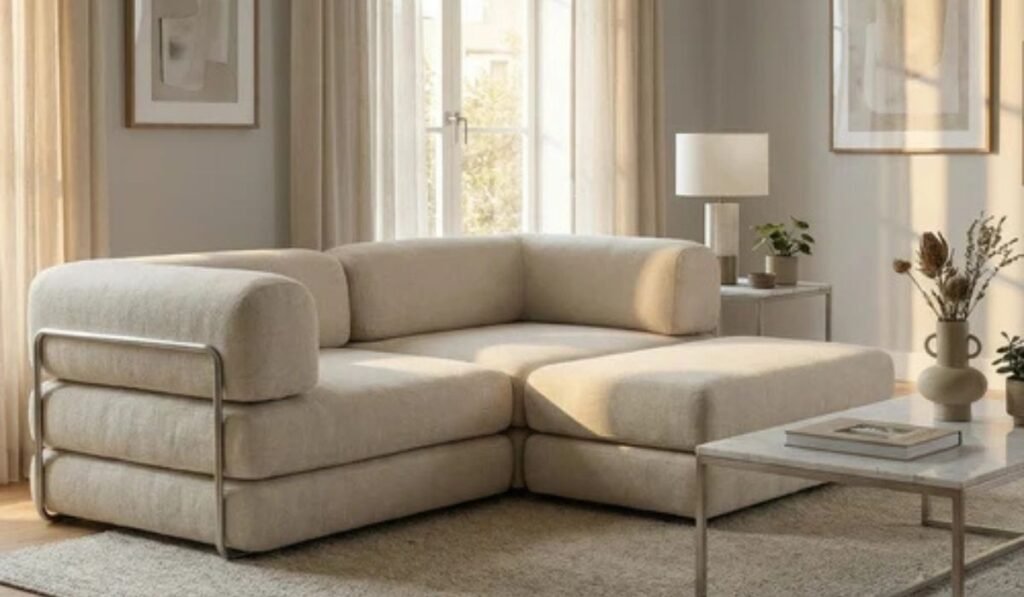
Open-plan homes offer flexibility, but they can also make it difficult to establish distinct areas for different activities.
Furniture can help create visual zones without requiring permanent walls.
For example, a storage arrangement can separate a workspace from a living area while still allowing the overall room to feel connected. Similarly, a carefully positioned modular unit can provide organization while helping establish a natural transition between different parts of an open floor plan.
This makes furniture part of the room’s architecture rather than simply something placed inside it.
Design for the Way You Live Today
One common mistake when choosing furniture is planning entirely around an idealized future lifestyle.
Instead, begin with how the room is actually being used.
If you work from home several days a week, workspace requirements should influence the layout. If you regularly host visitors, flexible seating and guest accommodation may be more important. If storage is the main challenge, prioritize organization before decorative features.
A useful furniture system should solve a real problem that exists in the home.
Think Beyond a Single Room
Modular furniture can also be considered as part of a wider home strategy.
Storage requirements in one room may affect how another room is used. A compact living area may benefit from reducing unnecessary storage elsewhere. A flexible guest space may eliminate the need for a permanently dedicated room.
Looking at the home as a connected environment can reveal opportunities that are easy to miss when each room is planned separately.
Create a More Organized Visual Environment
Functionality and appearance are closely connected.
When furniture has no clear relationship to the room, even a well-organized space can feel cluttered. Modular systems can help create visual consistency by coordinating finishes, proportions, and storage elements.
This is especially useful in smaller homes where furniture is always visible.
A consistent material palette can make several functional elements feel like part of one intentional design. The result can be a room that feels calmer without removing the things you actually need.
Consider Flexibility Before Making a Long-Term Investment
Furniture is often purchased for several years, so today’s requirements should not be the only consideration.
Think about how your household could change. A home office may become a guest room. Children may need different storage arrangements as they grow. A living area may eventually need to accommodate new activities.
This does not mean choosing furniture with unnecessary features. It means considering whether the configuration can continue to make sense if your circumstances change.
For buyers comparing modular furniture Vancouver options, long-term adaptability can therefore be just as important as current appearance.
Look at Construction and Materials
A modular design should not be judged only by how flexible it appears.
Construction quality, materials, hardware, finishes, and maintenance requirements all contribute to the long-term experience of using the furniture.
Consider the level of daily use the furniture will receive. High-use storage and frequently handled components should be appropriate for regular activity.
Finishes should also work with the existing interior. Neutral tones, wood-inspired finishes, and complementary cabinetry can help modular pieces integrate naturally with a home’s design.
Warranty information is another useful part of the purchasing process. Understanding what coverage is available can help buyers make a more informed long-term decision.
Choose a Configuration Instead of Chasing More Features
More functionality does not automatically mean better furniture.
A modular system should be built around useful functions rather than features that sound impressive but add little value to your daily routine.
For example, additional storage is worthwhile when you genuinely need it. A workspace makes sense when the room is regularly used for work. Flexible components are valuable when the space needs to change.
The best configuration is usually the one that solves the greatest number of genuine problems without making the room unnecessarily complicated.
Explore Modular and Transforming Solutions Together
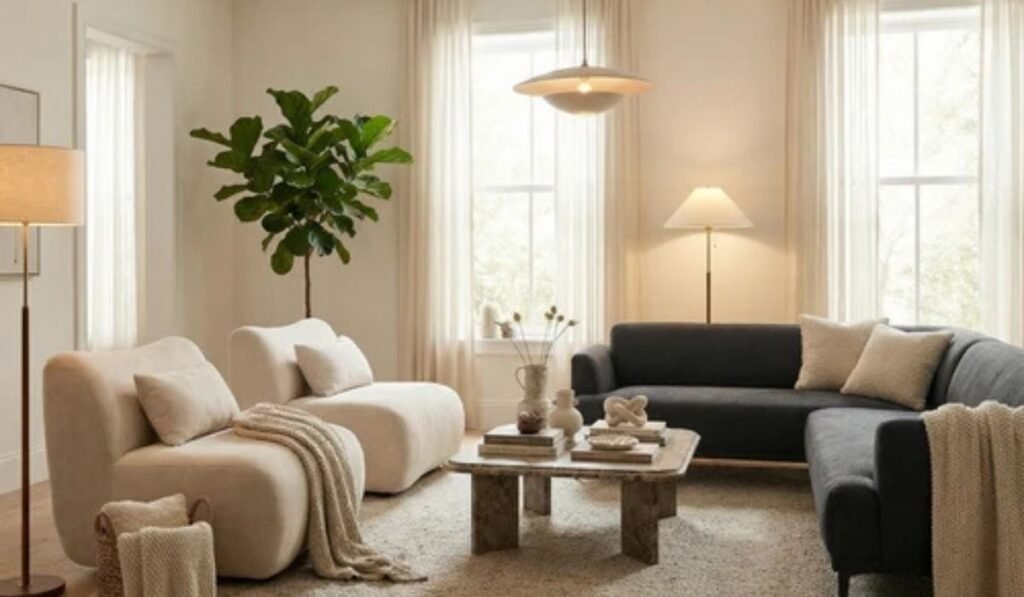
Modular furniture and transforming furniture can complement one another when a room has particularly demanding space requirements.
A modular storage system can provide organization while transforming furniture can allow another part of the room to change function.
Together, these approaches can help create an interior where different activities coexist without requiring separate dedicated spaces for everything.
This can be particularly relevant to compact Vancouver homes, where flexibility can have a direct impact on how comfortable the home feels.
Make the Selection Process More Practical
Before purchasing, create a simple list of your priorities.
Identify the functions the room must support, the storage you need, the areas that should remain open, and any existing furniture that must stay.
Then compare configurations against those requirements.
If you are uncertain about proportions or how different furniture elements might work together, viewing options in person can provide a better understanding of scale, finishes, and practical functionality. Having room measurements and photographs available can also make a consultation more productive.
A Smarter Approach to Space Planning
The value of modular furniture Vancouver homeowners choose is ultimately determined by how well it supports their lifestyle. A successful solution can reduce visual clutter, improve organization, support multiple activities, and make better use of areas that might otherwise remain underutilized.
For homeowners exploring flexible storage, modular configurations, and transforming approaches for contemporary living, DUO Concepts offers furniture solutions designed to help modern spaces become more adaptable and purposeful.
The right furniture does not simply occupy a room; it can change what the room is capable of doing.