


Running a multi-specialty practice means juggling different coding rules, different payers, and different documentation standards, all at once. Medical billing services exist to handle that complexity so your staff can focus on patients instead of claim forms. This guide breaks down what these services actually do, why multi-specialty practices need them more than most, and how the right systems keep your revenue steady.
Why Multi-Specialty Practices Face Bigger Billing Challenges
A single-specialty clinic deals with one set of procedure codes. A multi-specialty practice deals with several, sometimes a dozen or more. Cardiology billing looks nothing like dermatology billing. Orthopedics has its own modifiers. Behavioral health has its own documentation rules entirely.
Your billing team has to know all of it. One coding mistake in one specialty can trigger a denial, a delay, or worse, a compliance flag. Payers treat each specialty differently too. Some require prior authorization for certain procedures. Others have specific timelines for claim submission.
This is why generic billing knowledge falls short. Your practice needs billing support built for variety, not for one narrow lane.
What Medical Billing Services Actually Do
Medical billing services manage the full financial cycle of patient care. This starts the moment a patient books an appointment and continues until the claim is paid in full.
The core work includes:
- Verifying insurance eligibility before the visit
- Applying correct codes for each specialty
- Submitting clean claims the first time
- Following up on denials and rejections
- Posting payments and reconciling accounts
Done right, medical billing services catch errors before they become denials. They track claims from submission to payment. They flag patterns, like a payer that keeps rejecting a specific code, so your team can fix the root cause instead of resubmitting the same mistake over and over.
For a multi-specialty practice, this matters even more. A billing partner familiar with multiple specialties understands that a cardiology claim and a physical therapy claim need completely different handling. They will not treat your practice like a one-size-fits-all operation.
The Real Cost of Getting Billing Wrong
Denied claims are not just an inconvenience. They cost time and money. Every rejected claim needs research, correction, and resubmission. Staff hours go into fixing something that should have been right the first time.
Delayed payments hurt cash flow too. If your practice waits 60 or 90 days for reimbursement, that gap affects payroll, supplies, and growth plans. Multi-specialty practices feel this pain more sharply because they process a higher volume of varied claims, which means more chances for something to go wrong.
Accurate coding is not optional. Even small errors in documentation can lower your reimbursement rate across an entire specialty line. Getting the coding right the first time protects your revenue and your reputation with payers.
How Healthcare Practice Management Software Supports Billing
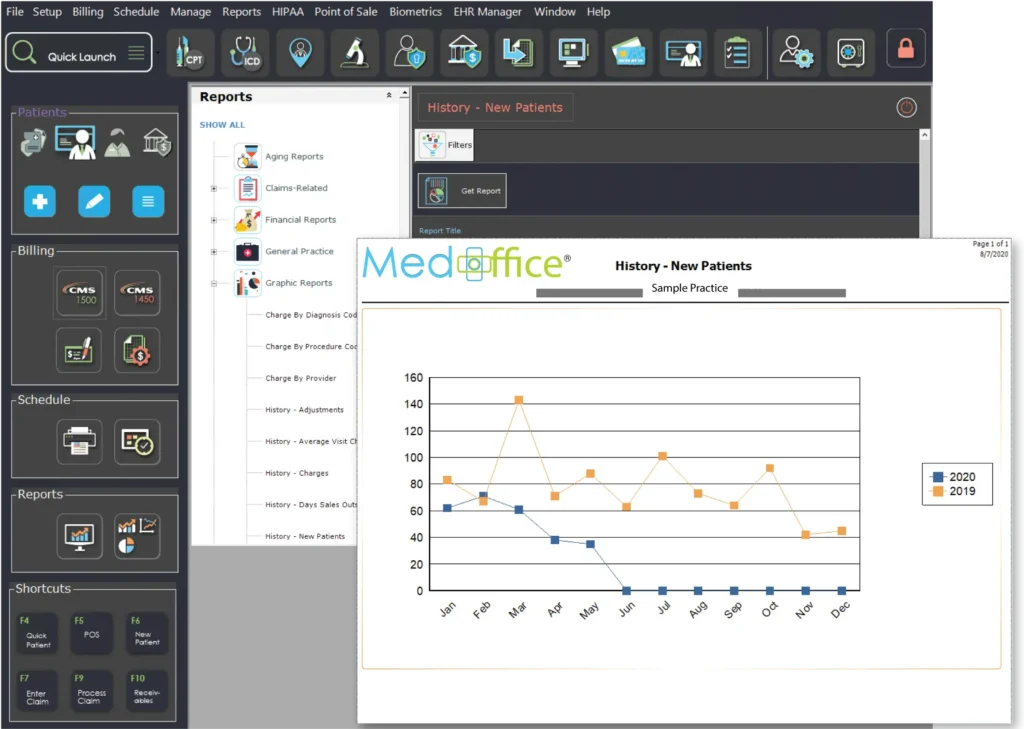
Medical billing services work best when paired with strong healthcare practice management software. This software acts as the operational hub for your practice. It connects scheduling, patient records, and billing into one system instead of scattered spreadsheets and disconnected tools.
Good healthcare practice management software gives your billing team real-time access to patient eligibility, appointment history, and outstanding balances. It flags missing information before a claim goes out, not after it gets denied.
For multi-specialty practices, this connection matters. Your software should be able to handle different fee schedules, different specialty codes, and different provider workflows without forcing your staff to switch between systems all day.
The right healthcare practice management software also gives you visibility. You can see which claims are pending, which are denied, and which specialty is generating the most rejections. That data helps you make decisions instead of guessing.
Signs Your Multi-Specialty Practice Needs Better Billing Support
Some warning signs are easy to spot once you know what to look for. Rising denial rates across multiple specialties point to a systemic issue, not a one-time mistake. Slow reimbursement timelines drain your working capital month after month.
If your front desk staff spends hours on hold with insurance companies, that time is not going toward patient care. If your providers are frustrated by billing questions instead of focusing on treatment, your current setup is not working.
A practice that outsources or upgrades its medical billing services usually sees fewer denials within the first few months. Claims move faster. Staff stress drops. Providers get paid what they earned, on time, without chasing every claim manually.
Waiting to fix a broken billing process costs more the longer it continues. Every month of inefficient billing is money left on the table.
What to Look For in a Billing Partner
Not every billing provider understands multi-specialty work. Ask direct questions before committing to one. Do they have experience across the specific specialties in your practice? Can they show you real numbers on denial reduction and claim turnaround time?
A strong partner will also prioritize data security. Protected health information needs encryption, controlled access, and strict compliance with HIPAA at every step. If a billing partner cannot explain their security protocols clearly, that is a red flag.
Transparency matters too. You should be able to see your claim status, your collections, and your denial trends whenever you need to, not just in a monthly summary.
Getting Billing Right, Specialty by Specialty
Multi-specialty practices carry more complexity than most, but that complexity does not have to slow down your revenue. The right combination of medical billing services and connected practice management tools keeps claims moving, reduces denials, and gives your providers more time with patients instead of paperwork.
Exemplary Core works with practices facing exactly this kind of complexity, offering medical billing services built around accuracy, transparency, and faster collections across every specialty you run. If your billing process feels stretched too thin, now is a good time to act before another billing cycle passes you by. Visit us to see how a dedicated billing partner can strengthen your practice’s revenue and give your team room to focus on care.
Frequently Asked Questions
What makes billing different for multi-specialty practices?
Each specialty follows its own coding rules, documentation standards, and payer requirements. A billing team needs experience across all of them to avoid errors.
How do medical billing services reduce claim denials?
They verify insurance eligibility early, apply correct codes, and catch documentation gaps before submission, which lowers the chance of rejection.
Can practice management software replace a billing team?
No. Software supports the process by organizing data and flagging issues, but trained billing staff still handle coding accuracy and denial follow-up.
How long does it take to see results after switching billing partners?
Most practices notice fewer denials and faster payments within the first two to three months.
Is outsourcing medical billing services safe for patient data?
Yes, as long as the provider follows HIPAA guidelines with encrypted systems and strict access controls.