


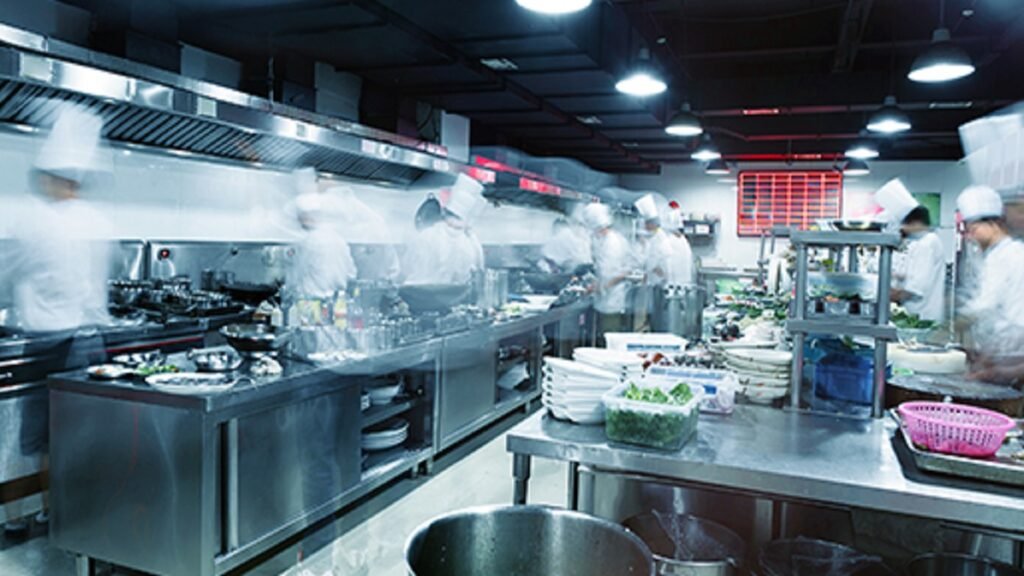
Is your restaurant’s kitchen equipped to meet restaurant fire compliance? The kitchen of your restaurant is filled with flammable liquids, paper products, and electrical equipment, which are at risk of overheating. If the fire is caused by grease or any other flammable liquid like oil, animal fat, or alcohol, water cannot put it out.
Therefore, it is essential to invest in a fire suppression system that can detect and respond promptly. A reliable system will ensure that your kitchen remains protected and is always operational. Want to know more? Let’s scroll through and discuss.
What Will You Learn
- How Do Fire Suppression Systems Function in Restaurants?
- Elements of a Fire Suppression System
- Why Is a Fire Suppression System Important?
- When Is It Necessary to Have a Fire Suppression System?
How Do Fire Suppression Systems Function in Restaurants?
These automatic systems can be installed directly inside the cooking areas. Typically, you will find it above the cooking equipment, fryers, grills, and ranges. Its main function is to sense heat or flames, release a fire-suppressing agent, and cut off fuel or electrical sources of the fire.
How it functions step by step:
- Detection
It uses heat detectors, sensors, or fusible links (small metallic pieces that melt when exposed to high heat). When the temperature reaches a level of concern, the detection line triggers the system.
- Activation
Upon activation, the system discharges a fire-suppressing agent, typically a wet chemical, through nozzles directed at cooking equipment. These nozzles are placed at key points, allowing them to direct the suppression towards the most flammable areas, such as deep fryers.
- Suppression
The wet chemical agent rapidly extinguishes flames and forms a foam blanket that stops re-ignition. For grease fires, this is particularly effective since it isolates the fuel (oil) from oxygen.
- System Shut-Down
At the same time, the system cuts off fuel and electricity to the equipment, depriving the fire of its energy source. This stops flames from traveling further.
- Alarm Notification
The majority of fire suppression systems are linked to an alarm panel, which sends signals to building occupants and the fire department.
This rapid automatic process ensures that even when a fire starts during peak hours, it is controlled before its devastating effects can occur.
Elements of a Fire Suppression System
A fire suppression system is not a single piece of equipment, but rather an assembly of components that interact with each other. Before opting for restaurant fire suppression installation, it is better to understand its major components:
Detection Devices
These consist of heat detectors, sensors, and fusible links designed to trigger the system when temperatures exceed their safe limits.
Control Panel
The “brain” of the system is responsible for receiving signals from detection devices and triggering suppression when necessary.
Piping and Nozzles
Stainless steel piping carries the extinguishing agent to the specified nozzles, which are installed above the cooking stations. These nozzles are designed explicitly for equipment to provide accurate coverage.
Suppression Agent Tank
The tank holds wet chemical agents designed to extinguish grease and oil fires. The agents produce a soap-like foam upon reacting with hot oils, preventing re-ignition.
Manual Pull Station
Apart from automatic detection, the majority of systems include a manual pull handle, allowing kitchen personnel to initiate suppression if they see a fire.
Fuel Shut-Off Mechanism
An automatic device shuts off the flow of gas or electricity to appliances upon activation of the system.
All components are vital to ensuring fires are detected promptly and safely extinguished.
Why Is a Fire Suppression System Important?
In restaurant kitchen environments, it is crucial to adhere to restaurant fire compliance regulations. Conventional fire extinguishers are not always adequate; therefore, opting for a dedicated fire suppression system is a better option:
- Quick Response Saves Lives
Fires can spread in a matter of seconds. Automatically activated suppression systems react immediately, minimizing the chance of injury or death.
- Designed Specifically for Grease Fires
Grease fires cannot be put out with water and represent one of the most hazardous forms of fire. Suppression systems are specifically designed to combat these threats.
- Saves Property and Lessens Damage
By suppressing the fire quickly, the system avoids extensive damage to kitchen equipment, the building, and surrounding businesses.
- Maintains Restaurants in Compliance
Most insurance providers and many fire codes mandate that commercial kitchens incorporate suppression systems. Without one, legal and monetary repercussions may follow.
- Gives Peace of Mind
Staff and owners can focus on serving excellent food and providing top-notch service, knowing that they are protected from kitchen fires.
When Is It Necessary to Have a Fire Suppression System?
Not all businesses need fire suppression systems, but in restaurants, they are often mandatory. You will need one if:
You Use Fryers, Grills, or Open Flames
Any cooking equipment that uses grease, oil, or open flames is a fire hazard and usually needs a suppression system.
You Operate a Commercial Kitchen
Most areas, including New York, have health and safety codes that require suppression systems in commercial kitchens.
You Want Insurance Coverage
Most insurance companies deny coverage—or pay substantially higher premiums—if a restaurant does not have a fire suppression system installed.
Your Kitchen is in a High-Traffic Area
In heavily populated areas like Long Island and other cities, there is a higher risk of fires due to the tight spaces and continuous use of equipment. A suppression system reduces such risks.
You Care About Safety and Longevity
Whether or not local building codes require it, a fire suppression system is a forward-thinking investment that saves lives, assets, and your company’s reputation.
Put simply, if your restaurant uses commercial cookery equipment, then a fire suppression system is not only required, but essential.
Final Thoughts
When securing the kitchen of your restaurant, ensure you choose a reliable restaurant fire compliance service provider. They will design suppression systems that cater to the specific needs of your location. Be sure to inquire about after-sales service, including timely inspections and maintenance.
Be sure to check out customer reviews and testimonials to ensure that you are dealing with a genuine and reliable company. Remember, fire suppression systems are a significant investment, so choose a provider wisely.