

Cosmetic injectables have become one of the most requested categories of treatment in aesthetics today. People mostly consider them for smoothing a wrinkle, restoring lost volume, or softening the lines that show up after years of squinting and smiling.
If you’ve been considering cosmetic injectable treatments, understanding what these treatments actually do and how they differ from each other makes the decision a lot less confusing.
This guide breaks down the two main categories of injectables, what they treat, and what you should know before booking a consultation.

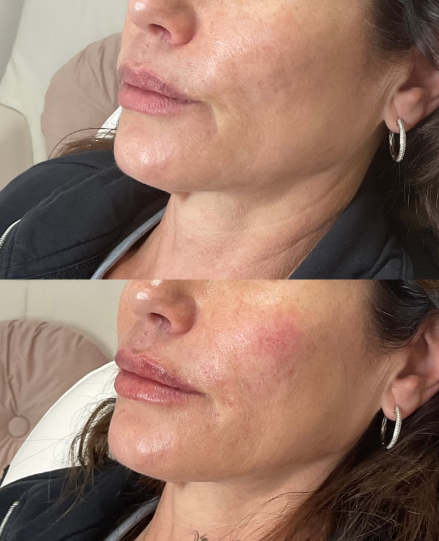
The Two Main Types of Injectables
Most cosmetic injectable treatments fall into one of two categories, and they work in completely different ways.
Neurotoxin Injections
Neurotoxin treatments work by temporarily relaxing the specific facial muscles responsible for repetitive movement, the kind of movement that eventually etches lines into the skin from years of frowning, squinting, or raising the eyebrows.
Common areas treated with neurotoxins include:
- Forehead lines from raised eyebrows
- Frown lines between the brows
- Crow’s feet around the eyes
- Bunny lines across the nose
Results typically show up within three to five days, with full effects settling in around the two-week mark. Most patients get three to five months out of a single treatment before a touch-up is needed.
Dermal Fillers
Dermal fillers work entirely differently. Rather than relaxing muscle movement, fillers restore volume that’s been lost over time, most commonly using hyaluronic acid, a substance the body already produces naturally.
Fillers are commonly used to address:
- Volume loss in the cheeks
- Lip enhancement and definition
- Nasolabial folds and marionette lines
- Under-eye hollows
- Jawline contouring
Depending on the specific product used, filler results can last anywhere from six months to two years, considerably longer than neurotoxin treatments typically last.
Why So Many Patients Choose Both
A lot of people pursuing cosmetic injectable treatments in New Jersey end up combining both categories rather than picking just one. That’s because they solve two different problems entirely. Neurotoxins address the wrinkles caused by repeated facial movement, while fillers restore volume that’s naturally declined with age. Used together, they tend to create a more complete, balanced result than either treatment could achieve alone.
What Actually Happens During Treatment
Both categories of injectables share a similar treatment experience: quick, minimally invasive, with very little downtime involved.
Before Treatment
A proper consultation should always come first. This means reviewing your medical history, discussing your specific goals, and getting an honest assessment of which treatment, or combination of treatments, actually makes sense for your face.
During Treatment
Most appointments take well under an hour. Fine needles are used throughout, and many providers offer a topical numbing option to keep things comfortable. Some mild pressure or a brief pinching sensation is normal, but the process is generally well tolerated.
After Treatment
Mild swelling, redness, or slight bruising is common immediately following treatment, though most patients return to their normal routine the same day. Results build in gradually rather than appearing instantly, especially with neurotoxin treatments, which take a few days to fully take effect.
Choosing the Right Provider
Not every provider approaches injectables the same way, and the results can vary quite a bit depending on technique, experience, and how personalized the treatment plan actually is.
A few things worth confirming before booking:
- Does the provider use FDA-approved products specifically?
- How much hands-on experience do they have with injectables?
- Do they take time to assess facial structure individually, rather than applying a generic approach to everyone?
- Are before-and-after photos available for treatments similar to what you’re considering?
Setting Realistic Expectations
The goal of a well-done injectable treatment isn’t to change your face into something unrecognizable. It’s to soften what’s bothering you while keeping your natural expression and features intact. The best results tend to look like a well-rested, slightly refreshed version of yourself, not an “overdone” appearance.
Signs You’re a Good Candidate
You might be a strong candidate for cosmetic injectables if you:
- Notice fine lines or wrinkles from repeated facial expressions
- Have experienced volume loss in the cheeks, lips, or under-eye area
- Want a non-surgical option with minimal downtime
- Are looking for subtle, natural-looking improvement rather than a dramatic change
Understanding the Cost
Pricing for cosmetic injectables varies depending on the treatment area, the specific product used, and how much is needed to achieve your desired result. Neurotoxin treatments are typically priced per unit, while fillers are usually priced per syringe. A thorough consultation should always include a clear breakdown of expected cost before treatment begins, so there aren’t any surprises once you’re in the chair.
Final Thoughts
Understanding the real difference between neurotoxins and dermal fillers makes choosing the right treatment a lot less overwhelming. Whether you’re leaning toward one category specifically or considering a combination approach, cosmetic injectable treatments in New Jersey offer a genuinely effective, minimally invasive way to soften signs of aging without surgery or significant downtime.
If you’re still unsure which approach fits your goals, scheduling a consultation with an experienced provider is the clearest way to get a personalized recommendation rather than guessing based on what worked for someone else.