


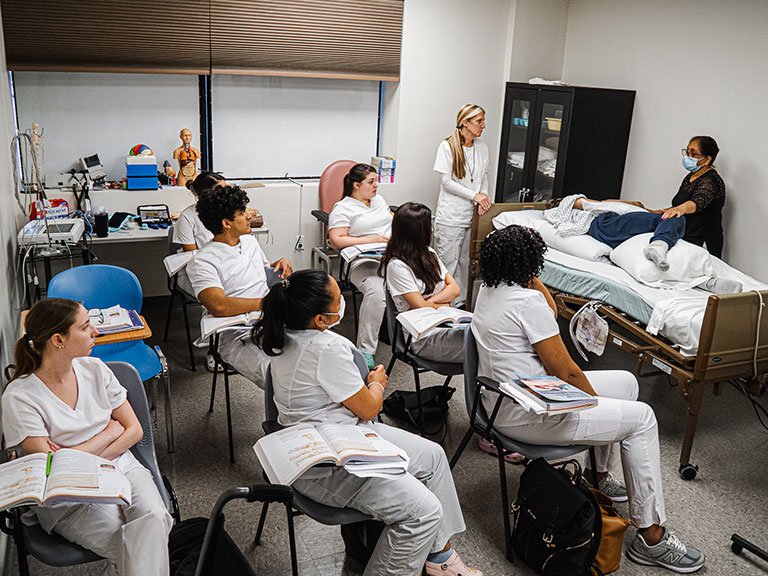
Healthcare is a steadily growing field, and there is a high demand for qualified personnel at all levels. Consequently, many students are opting for skill-based training programs to kick-start their careers in this field.
Similarly, Certified Medical Assistant Courses in Beaumont are among the most popular training options. It guides students in the clinical and administrative skills needed to prepare for certification exams and for careers in healthcare.
This course involves classroom instruction and hands-on training and is a structured introduction to the health care field. Read on to find out how to have a successful healthcare career.
Overview of Certified Medical Assistant Training in Beaumont
Students are trained in such programs to assist doctors, nurses, and other health care workers in clinics and medical offices.
Certified Medical Assistant Classes in Beaumont train students for the workplace in the real healthcare environment, preparing them for both clinical and administrative roles.
- Clinical duties (patient care, vitals, assisting in procedures)
- Administrative duties (records, appointments, communication)
The main objective of these courses is to help students pass certification exams and land entry-level jobs in healthcare institutions.
What Will You Learn in Certified Medical Assistant Courses?
This course will give you an insight into all the basic aspects of working in healthcare institutions. Students learn how to handle both patient care and office-based responsibilities.
They can opt for a reputable Health Career Institute in Beaumont to pursue their training for a successful career.
Primary learning areas include:
- Basic anatomy and physiology
- Medical terminology for healthcare communication
- Infection control and safety procedures
- Patient care and communication skills
- Medical office administration
- Clinical procedure and laboratory basics
- Handling electronic health records
- Healthcare law and ethics fundamentals
These classes provide students with knowledge of healthcare systems and the functions of medical assistants within them.
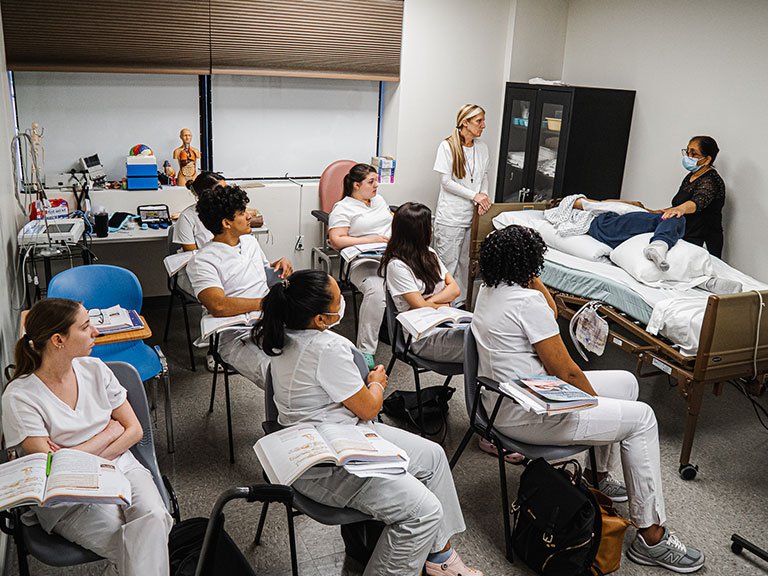
Development of Practical and Technical Skills in Healthcare
Students learn both clinical and business-related activities. The training includes doing practical chores and caring for patients in a medical office.
Technical skills:
- Clinical patient support
- Medical documentation
- Equipment handling
- Basic lab processes
Professional skills:
- Patient communication
- Team coordination
- Time management
- Attention to detail
- Ethical healthcare practice
The skills discussed above help students become effective members of healthcare teams.
Practical Clinical Training in Healthcare Settings
Students gain practical experience by applying the basic clinical skills they have learned in real medical settings. This clinical exposure helps students understand how daily medical tasks are performed under the supervision of experienced healthcare professionals.
Besides this, it instills confidence in managing patient care activities. Practical training involves activities such as:
- Tracking vital signs, e.g., blood pressure and pulse
- Getting patients ready for their examinations
- Assisting doctors during minor interventions
- Collecting simple laboratory specimens
- Maintaining hygiene and medical devices.
- Supporting patient documentation
This module will help to develop confidence and readiness for real work.
Externship: Real Healthcare Exposure
Students receive supervised, hands-on experience in a clinical healthcare setting. They gain hands-on exposure by helping with basic clinical and administrative tasks under supervision.
This allows them to understand the daily functioning of a real medical office. Students will cover the following topics through the externship program:
- Work at a clinic or a doctor’s office.
- Watch healthcare professionals execute their duties.
- Observe experienced medical personnel in practice.
- Provide people with basic healthcare services.
- Apply classroom information to real-life issues.
- Understand how healthcare teams fulfill their routine responsibilities.
Students complete supervised clinical training in healthcare settings to gain practical experience and become job-ready.
Employment Opportunities and Clinical Work Settings
Graduates can work in multiple healthcare settings, including clinics, hospitals, and outpatient centers. They are prepared for entry-level roles that involve both patient care and administrative support.
Employment options for medical assistants are projected to grow by 15% from 2023 to 2033, which is much faster than the average for all occupations. This reflects strong demand for trained professionals in clinics, hospitals, and outpatient care settings.
Common job roles include:
- Medical Assistant for Clinics and Hospitals.
- Outpatient care centers, clinical support, and staff.
- Front Desk & Patient Coordination Aide.
- Administrative Medical Office Assistant.
- Basic lab support/diagnostic assistant roles.
Typical workplaces are:
- Private doctor’s clinics
- Hospitals and urgent care centers
- Specialty care departments such as pediatrics or urology
- Diagnostic and outpatient facilities
- Community health centers
These roles and work settings offer a strong foundation for building a stable, practical career in healthcare.
Why Students Choose This Career Path?
The training provided by this program is highly technical and practical, which is the main reason students choose this career path.
As part of the program, learners are given job-specific skills through classroom training and practical activities.
- Shorter training period in comparison to long periods associated with degrees
- Job preparation aimed at getting learners started in their healthcare professions
- Practical real-life healthcare experiences related to clinical and office work
- There will always be a constant need for healthcare professionals in medical institutions.
- An excellent opportunity to learn skills in both areas
It is a practical way for those seeking to pursue healthcare as a profession without going through a lengthy process.
Federal Assistance/Financial Help for Eligible Candidates
Financial aid and other forms of assistance may be available to learners enrolled in this course, subject to eligibility.
Numerous medical schools in Texas can help you apply for a federal student loan through the FAFSA (Free Application for Federal Student Aid). This can include grants/loans and other financial aid to eligible students.
Ways to get financial support:
- Federal Pell Grants (no repayment required for eligible students)
- Federal student loans
- Training programs offer flexible payment options.
- Veteran education benefits (where applicable)
Many healthcare training schools, such as Texas Healthtech Institute, can also help students complete the FAFSA process and explore various funding options.
Closing Thoughts
A profession as a medical assistant provides a practical and robust pathway to the healthcare industry. Students will acquire the necessary clinical and administrative skills and practical work experience through appropriate training.
Certified Medical Assistant Classes in Beaumont help students move smoothly from training to certification and, finally, to employment. For those seeking a stable, skill-based career in healthcare, this training can be an excellent starting point.